
Plantar Warts in Sylacauga & Birmingham, AL
Understanding Plantar Warts
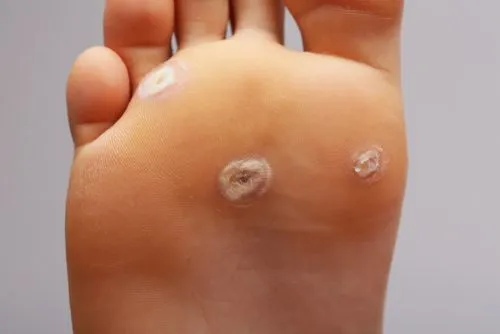
Plantar warts develop when the human papillomavirus enters through a small cut or break in the skin. Many people pick up the virus by walking barefoot in public places such as locker rooms or pool decks. Once the virus is present, the daily pressure from standing and walking pushes the wart deeper into the skin, which creates pain with every step. Some patients notice a rough, firm surface with tiny dark spots within the lesion. Because plantar warts can resemble other skin conditions, a podiatric evaluation helps confirm the correct diagnosis.
When Warts Become Painful
Most plantar warts begin as small, painless bumps but can grow inward over time due to constant pressure, leading to soreness during activity. This discomfort may change gait patterns or make walking difficult. Warts can also spread to nearby areas of the foot or appear as clusters. Individuals with diabetes or poor circulation face a higher risk of complications and should avoid attempting home remedies. Early evaluation is the best way to limit pain and reduce the chance of recurrence.
Treatment Options at Podiatry Associates
Treatment depends on the number, size, and depth of the warts. The podiatric team may recommend topical treatments, cryotherapy, or procedures that remove infected tissue while preserving healthy skin. By targeting the virus directly, treatment helps stop growth and encourages healing. In more persistent cases, additional therapies may be considered. Follow-up visits allow the doctor to monitor progress and adjust care if needed. The goal is to relieve discomfort, prevent spread, and restore comfortable walking.
Preventing Future Warts
Prevention begins with protecting the feet from exposure. Wearing shoes or sandals in shared environments, keeping feet clean and dry, and avoiding contact with existing warts help limit the virus from spreading. Patients who have had warts in the past may benefit from regular checkups, especially if they are active in sports or use public locker rooms. Understanding how warts form and practicing simple habits can reduce the likelihood of new lesions.
