
How Bunions Can Affect Foot Comfort and Mobility
- posted: Mar. 16, 2026
At Podiatry Associates, PC in Birmingham, Sylacauga, and Vestavia Hills, AL, we treat bunions with a focus on protecting foot comfort and keeping patients active. Bunions often start as a small bump at the base of the big toe, but they can change how the foot bears weight with every step. As the joint shifts, many people notice pain, shoe fit problems, and reduced mobility that affects work, exercise, and daily routines.
What Bunions Do to Foot Mechanics
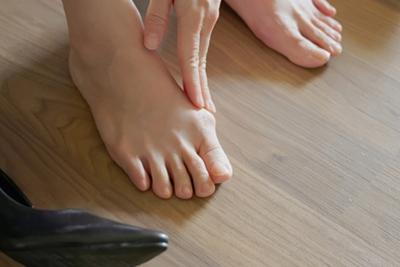
Bunions develop when the big toe joint moves out of alignment and the big toe drifts toward the second toe. This shift changes the push-off phase of walking, which normally relies on a stable big toe joint. When that joint becomes irritated or unstable, patients often compensate by rolling weight to the outer foot or shortening their stride. Over time, this compensation can strain other structures and reduce overall stability.
How Bunions Affect Daily Comfort
Bunion discomfort often begins with pressure and friction in shoes. The bump rubs against the inside of the shoe, which can cause redness, swelling, and tenderness. Narrow toe boxes and rigid shoe materials often worsen symptoms quickly. Many patients also develop calluses where the foot experiences extra friction or pressure due to altered alignment. As inflammation increases, pain can show up even in supportive shoes, especially after long periods of standing.
Mobility Issues That Can Develop
Bunions can reduce range of motion at the big toe joint, which makes stairs, brisk walking, and certain exercises feel harder. Some patients notice stiffness in the morning or pain when walking normally. As the big toe drifts, crowding can also trigger secondary problems that further limit mobility, including hammertoes, metatarsalgia under the ball of the foot, and irritation between toes. When bunions progress, the big toe can overlap the second toe, which makes shoe fit and balance even more challenging.
How We Evaluate Bunions
We assess your foot structure, toe alignment, joint motion, and gait mechanics. We also evaluate whether inflammation, arthritis changes, or other forefoot problems contribute to symptoms. When needed, we use imaging to understand joint position and determine the best treatment direction.
Treatment Options We Offer
We start with conservative care designed to reduce irritation and slow progression. Treatment may include shoe guidance with a wider toe box, padding to reduce rubbing, and orthotic support to improve mechanics and decrease pressure at the big toe joint. We may also recommend activity modifications during flare-ups and short-term anti-inflammatory strategies when appropriate. If pain persists and the deformity affects walking or daily function, we discuss surgical correction options that realign the joint and improve stability.
Schedule a Bunion Evaluation
If bunions affect your comfort, shoe choices, or ability to stay active, we can help you understand your options and choose the right next step. Contact Podiatry Associates, PC in Birmingham, AL at (205) 933-9595, in Sylacauga, AL at (256) 249-2212, or in Vestavia Hills, AL at (205) 822-2116 to schedule an appointment.
- posted: Mar. 16, 2026
At Podiatry Associates, PC in Birmingham, Sylacauga, and Vestavia Hills, AL, we treat bunions with a focus on protecting foot comfort and keeping patients active. Bunions often start as a small bump at the base of the big toe, but they can change how the foot bears weight with every step. As the joint shifts, many people notice pain, shoe fit problems, and reduced mobility that affects work, exercise, and daily routines.
What Bunions Do to Foot Mechanics
Bunions develop when the big toe joint moves out of alignment and the big toe drifts toward the second toe. This shift changes the push-off phase of walking, which normally relies on a stable big toe joint. When that joint becomes irritated or unstable, patients often compensate by rolling weight to the outer foot or shortening their stride. Over time, this compensation can strain other structures and reduce overall stability.
How Bunions Affect Daily Comfort
Bunion discomfort often begins with pressure and friction in shoes. The bump rubs against the inside of the shoe, which can cause redness, swelling, and tenderness. Narrow toe boxes and rigid shoe materials often worsen symptoms quickly. Many patients also develop calluses where the foot experiences extra friction or pressure due to altered alignment. As inflammation increases, pain can show up even in supportive shoes, especially after long periods of standing.
Mobility Issues That Can Develop
Bunions can reduce range of motion at the big toe joint, which makes stairs, brisk walking, and certain exercises feel harder. Some patients notice stiffness in the morning or pain when walking normally. As the big toe drifts, crowding can also trigger secondary problems that further limit mobility, including hammertoes, metatarsalgia under the ball of the foot, and irritation between toes. When bunions progress, the big toe can overlap the second toe, which makes shoe fit and balance even more challenging.
How We Evaluate Bunions
We assess your foot structure, toe alignment, joint motion, and gait mechanics. We also evaluate whether inflammation, arthritis changes, or other forefoot problems contribute to symptoms. When needed, we use imaging to understand joint position and determine the best treatment direction.
Treatment Options We Offer
We start with conservative care designed to reduce irritation and slow progression. Treatment may include shoe guidance with a wider toe box, padding to reduce rubbing, and orthotic support to improve mechanics and decrease pressure at the big toe joint. We may also recommend activity modifications during flare-ups and short-term anti-inflammatory strategies when appropriate. If pain persists and the deformity affects walking or daily function, we discuss surgical correction options that realign the joint and improve stability.
Schedule a Bunion Evaluation
If bunions affect your comfort, shoe choices, or ability to stay active, we can help you understand your options and choose the right next step. Contact Podiatry Associates, PC in Birmingham, AL at (205) 933-9595, in Sylacauga, AL at (256) 249-2212, or in Vestavia Hills, AL at (205) 822-2116 to schedule an appointment.
Hours of Operation
Closed for Lunch 12:00 PM – 1:00 PM
Podiatry Associates, PC - Birmingham
Monday
7:30 am - 4:30 pm
Tuesday
7:30 am - 4:30 pm
Wednesday
7:30 am - 4:30 pm
Thursday
7:30 am - 4:30 pm
Friday
7:30 am - 4:30 pm
Saturday
Closed
Sunday
Closed
Podiatry Associates, PC - Sylacauga
Monday
7:30 am - 4:30 pm
Tuesday
7:30 am - 4:30 pm
Wednesday
7:30 am - 4:30 pm
Thursday
7:30 am - 4:30 pm
Friday
Closed
Saturday
Closed
Sunday
Closed
Podiatry Associates, PC - Vestavia
Monday
8:30 am - 2:30 pm
Office only
Tuesday
7:30 am - 4:30 pm
Seeing Patients
Wednesday
7:30 am - 4:30 pm
Seeing Patients
Thursday
8:30 am - 2:30 pm
Office only
Friday
7:30 am - 4:30 pm
Seeing Patients
Saturday
Closed
Sunday
Closed
