
What Causes Hammertoes and How They Progress Over Time
- posted: Jul. 21, 2025
Hammertoes often begin as a minor inconvenience—a toe that bends a little awkwardly or feels stiff in certain shoes. But over time, that slight change can become more noticeable, and eventually painful. What starts out flexible may progress into a more rigid and problematic condition, making even everyday activities uncomfortable.
At Podiatry Associates, with offices in both Birmingham and Sylacauga, patients are seen at all stages of hammertoe development. The good news is that this condition can often be managed well when addressed early—and understanding what causes it is the first step.
How Hammertoes Develop
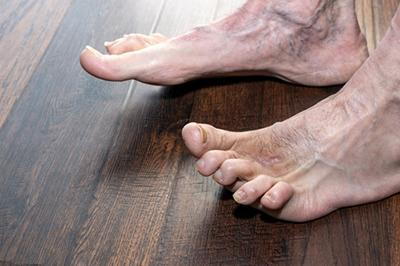
A hammertoe typically forms when one of the smaller toes—most commonly the second, third, or fourth—begins to bend at the middle joint. Over time, this joint becomes more prominent, and the toe may curl downward, taking on a hammer-like shape.
There are several reasons this can happen:
- Imbalance in the muscles or tendons that control toe movement
- Wearing shoes that are too tight or too narrow, especially those with a pointed toe box or high heel
- Structural problems in the foot, such as flat feet or a longer second toe
- Trauma or injury that alters toe alignment
- Certain medical conditions, like arthritis or diabetes, which affect joint function and tissue integrity
Some people may be more genetically predisposed to develop hammertoes, especially if foot shape or gait issues run in the family.
The Progression: From Flexible to Fixed
Early-stage hammertoes are often referred to as "flexible" because the joint can still be moved manually. At this point, many people notice mild discomfort when wearing tight shoes or doing physical activity, but symptoms tend to come and go.
If left unaddressed, however, the condition can become "rigid," meaning the joint stays locked in its bent position. Calluses or corns may begin to form where the toe rubs against footwear. At this stage, pain tends to increase, and simple treatments like shoe inserts or stretches may no longer be enough.
When to Seek Help
The earlier hammertoes are evaluated, the more conservative treatment options are available. At Podiatry Associates, the team focuses on non-surgical solutions when possible—such as toe exercises, custom orthotics, and guidance on footwear that promotes healthy toe alignment.
In cases where the deformity has progressed and is interfering with walking or daily comfort, surgical options may be considered. These procedures are tailored to the individual’s needs and are designed to restore mobility and reduce pain.
Don’t Wait for It to Worsen
Hammertoes rarely resolve on their own. Catching the issue early and having it assessed by a podiatrist can make all the difference in managing symptoms and preventing more advanced stages of the condition.
To schedule an appointment or consultation, reach out to the Birmingham office at (205) 933-9595 or the Sylacauga office at (256) 249-2212. Whether the goal is comfort, prevention, or long-term correction, Podiatry Associates is here to help you stay active on your feet.
- posted: Jul. 21, 2025
Hammertoes often begin as a minor inconvenience—a toe that bends a little awkwardly or feels stiff in certain shoes. But over time, that slight change can become more noticeable, and eventually painful. What starts out flexible may progress into a more rigid and problematic condition, making even everyday activities uncomfortable.
At Podiatry Associates, with offices in both Birmingham and Sylacauga, patients are seen at all stages of hammertoe development. The good news is that this condition can often be managed well when addressed early—and understanding what causes it is the first step.
How Hammertoes Develop
A hammertoe typically forms when one of the smaller toes—most commonly the second, third, or fourth—begins to bend at the middle joint. Over time, this joint becomes more prominent, and the toe may curl downward, taking on a hammer-like shape.
There are several reasons this can happen:
- Imbalance in the muscles or tendons that control toe movement
- Wearing shoes that are too tight or too narrow, especially those with a pointed toe box or high heel
- Structural problems in the foot, such as flat feet or a longer second toe
- Trauma or injury that alters toe alignment
- Certain medical conditions, like arthritis or diabetes, which affect joint function and tissue integrity
Some people may be more genetically predisposed to develop hammertoes, especially if foot shape or gait issues run in the family.
The Progression: From Flexible to Fixed
Early-stage hammertoes are often referred to as "flexible" because the joint can still be moved manually. At this point, many people notice mild discomfort when wearing tight shoes or doing physical activity, but symptoms tend to come and go.
If left unaddressed, however, the condition can become "rigid," meaning the joint stays locked in its bent position. Calluses or corns may begin to form where the toe rubs against footwear. At this stage, pain tends to increase, and simple treatments like shoe inserts or stretches may no longer be enough.
When to Seek Help
The earlier hammertoes are evaluated, the more conservative treatment options are available. At Podiatry Associates, the team focuses on non-surgical solutions when possible—such as toe exercises, custom orthotics, and guidance on footwear that promotes healthy toe alignment.
In cases where the deformity has progressed and is interfering with walking or daily comfort, surgical options may be considered. These procedures are tailored to the individual’s needs and are designed to restore mobility and reduce pain.
Don’t Wait for It to Worsen
Hammertoes rarely resolve on their own. Catching the issue early and having it assessed by a podiatrist can make all the difference in managing symptoms and preventing more advanced stages of the condition.
To schedule an appointment or consultation, reach out to the Birmingham office at (205) 933-9595 or the Sylacauga office at (256) 249-2212. Whether the goal is comfort, prevention, or long-term correction, Podiatry Associates is here to help you stay active on your feet.
Hours of Operation
Closed for Lunch 12:00 PM – 1:00 PM
Podiatry Associates, PC - Birmingham
Monday
7:30 am - 4:30 pm
Tuesday
7:30 am - 4:30 pm
Wednesday
7:30 am - 4:30 pm
Thursday
7:30 am - 4:30 pm
Friday
7:30 am - 4:30 pm
Saturday
Closed
Sunday
Closed
Podiatry Associates, PC - Sylacauga
Monday
7:30 am - 4:30 pm
Tuesday
7:30 am - 4:30 pm
Wednesday
7:30 am - 4:30 pm
Thursday
7:30 am - 4:30 pm
Friday
Closed
Saturday
Closed
Sunday
Closed
Podiatry Associates, PC - Vestavia
Monday
8:30 am - 2:30 pm
Office only
Tuesday
7:30 am - 4:30 pm
Seeing Patients
Wednesday
7:30 am - 4:30 pm
Seeing Patients
Thursday
8:30 am - 2:30 pm
Office only
Friday
7:30 am - 4:30 pm
Seeing Patients
Saturday
Closed
Sunday
Closed
